
At the beginning of July, Freddie Mac and Fannie Mae backed mortgage holders received some good news. In an effort to help homeowners that have negative equity in their homes (when the value of the home is less than the amount owed on the mortgage), the Home Affordability Refinance Program (HARP) was introduced. The program allows homeowners with Freddie and Fannie mortgages to refinance and receive up to 125% of the current home value for better loan terms and conditions. Better loan terms and conditions may mean lower monthly mortgage payments, a shorter pay-off term and a reduced principal balance.
Originally, the program was scheduled to roll out at the beginning of September, but has been moved up to become available to borrowers August 1, 2009 instead. Fannie Mae announced that moving the program availability date up would help loan originators to obtain secondary marketing pricing (the pricing investors will buy loans from the lenders at) sooner and allow them to set its origination prices sooner as well. One month may make the difference between Fannie and Freddie mortgage borrowers fighting off foreclosure or succumbing to it.
For homeowners with a Fannie Mae or Freddie Mac loan interested in applying for the HARP initiative, contact the servicer of your loan for the details on eligibility and the application process.
Thursday, July 23, 2009
Home Affordability Refinance Program Comes to the Rescue Sooner than Planned
Wednesday, July 22, 2009
Does the Increase in Housing Starts Mean We're Heading Toward Recovery?
According to the number of building permits applied for in June, which is an indicator of future building growth, June has marked the highest amount of applications since September of 2008. Building permit applications are up 14.4% in June from figures reported in May of this year. Is this an indication that the housing and lending market is starting to make a comeback?
It does infer that things are starting to turn around, but since it took years to get to this point, it will likely take years to turn the bad back into the good. For one thing, lenders have to get the foreclosure rate under control. Some lenders are using recovery alternatives such as loan modification programs to reduce the amount of foreclosures--keeping mortgage income in place for the lenders and homeowners in their homes.
Second, after the foreclosure rates are reeled in, the flow of credit will have to start streaming from lenders to borrowers to truly restore the market. Lending money is one of the stimulants to the economy that has the ability to put this shaky economy back on solid ground.
Housing starts are up 14.4%, which is a step in the right direction, but it is certainly not the end all and be all or the resolution to the lending and housing market problems. But, it has to start somewhere so it might as well be here.

Tuesday, July 21, 2009
The Financial Side of Balancing a Family and Career
Having children can be expensive, but that shouldn’t stop you from pursuing your dream of starting a family. Don’t think that raising a family “on a budget” is impossible. It has been done hundreds of millions of times before. Learning how to build a realistic budget is the key here, and like any other business or personal venture, it all depends on making more income than you spend.
Food will cost you about $300 a month per child, and clothing about $75 a month. You may have to upgrade to a larger apartment (which will amount to a couple of hundred dollars increase in rent) or you may already have a home with a child’s bedroom. Aside from these basic expenses you will also have to give thought to child care (if both parents work), family vacations and of course fun stuff for children who always demand attention and amusement. This certainly emphasizes the need to educate your children to read and use their imagination. Not only will this pay off later on in life, but will also save you money in the present! Limit mindless TV watching in your family, as much of TV programming (and especially commercials) is just training your child to become an impulsive buyer.
If you choose to hire a baby sitter or use a child care service then you will be spending anywhere from $300-$1,250 a month. Some families have used telecommuting jobs to their advantage, which reduce the time spent away from home, as well as extra-curricular school programs and an employer-provided flexible-spending account.
Saving money for college can be another trial, as the price of a college education ten years from now will be between $100,000 and $225,000 for one student. Start saving early by looking into college programs that help students while they are still in high school. You can also look into community colleges, which allow students to earn credits, which are usually transferable to a four-year college to earn a bachelor’s degree--a “half price” college education arrangement that will still provide many professional opportunities.
Having children will not be as expensive as you fear if you take the time to budget and plan now.

Friday, July 17, 2009
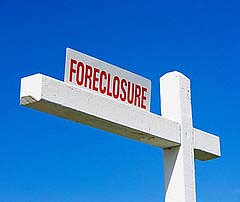
The Senate Does its Homework on Foreclosure Prevention
It's good to know that yesterday the Senate spent some time learning about programs to prevent foreclosure. With the foreclosure rate at one of its highest points in history, it's a good idea for them to figure how some prevention programs can help bring this economy back on firm ground.
Herbert Allison, the assistant secretary for financial stability of the U.S. Treasury Department, announced that so far 27 mortgage loan servicers have registered to participate in the Treasury's home loan modification program.
While the new program is still young in its inception, it has already helped to save homeowners from foreclosures. While millions of mortgages are expected to be "saved" through the new program, it is not expected to be the cure to the foreclosure crises. Every little bit helps though.
Thursday, July 16, 2009
What Are Mortgage Interest Rates Up to This Week?
You may have noticed that the stock market has been rallying lately. This is great news for investors that have money in the market. What does the uptick of the market do to mortgage interest rates? Is a rally in the market a sign that it's time to obtain mortgage financing or do a refinance?
Well, a day or so of an up market does not send a signal that it's time to do anything one way or the other. What goes up, most of the time comes back down. What the change in the market did do though was it caused the price of mortgage backed securities to fall, which in turn causes mortgage interest rates to increase. Yesterday, the up market translated into an increase in mortgage rates by approximately .375 percent, sending the average 4.875% mortgage rate to 5.25%.
To get an idea where current mortgage rates are, check out the new widget in the right sidebar.
.jpg)
Thursday, July 9, 2009
The 5-step Process of Turning Your Bad Credit Good
With almost 100% of the homes purchased in the United States being purchased with mortgage financing and a tightening credit environment, it's more important than ever to have great credit. All mortgage lenders use your credit score as the basis for making a lending decision, so if you have bad credit your chance of being denied is high. Bad credit borrowers also receive loan terms, rates and conditions that are not as favorable as those offered to good credit borrowers. Now is the time to do what you can to turn your credit situation around. Use this 5-step process to turn your bad credit good and you'll be well on your way to home ownership.
Step 1. Find out what's bringing your credit down.
The first step is to pull your credit report from the three major credit reporting agencies—TransUnion, Experian and Equifax. Usually on the first page, there is a section that highlights negative items that are showing on your credit report. This includes late pay accounts, collection accounts, bankruptcies and charge-offs. There may be items showing here that you aren't aware of. Any negative items that are being reported are the ones that you need to focus on correcting in order to increase your credit score. Order your credit report from each agency today by visiting www.transunion.com, www.experian.com and www.equifax.com.
Step 2. Scour your credit reports like there is no tomorrow.
When you receive your credit reports, make sure to review the information very carefully. While negative items are usually listed separately and in one area, it's important to go line-by-line on each credit report to look for any inaccuracies. Mark or highlight the inaccurate items or items you need to address in order to increase your credit score. Be sure to do this for each of the credit reports because information may vary from credit agency to credit agency.
Step 3. Write a dispute letter to tackle to inaccurate items.
First, you want to address the information showing on your credit reports that is inaccurate. Write a letter to each agency addressing each inaccurate item. Fully explain why the information is inaccurate and why it should be removed from your credit report.
Step 4. Tackle the negative, but accurate items.
If you've earned bad credit the honest way by making late payments, not making payments at all, and having your accounts sent to collection agencies, then it's time to face the consequences. Call the creditors, lenders and collection agencies (the numbers are usually on the credit report) and talk with them to see what you can do to make your wrong right. You may be able to work out payment arrangements with them to bring the account current. Some will even discount the amount you owe if you agree to pay it off in-full. When you are able to make arrangements be sure to get everything in writing. Also, make sure that whatever arrangements you make with the creditor that you to stick to it.
Step 5. Follow-up to ensure negative items and inaccurate information is removed.
When you dispute inaccurate information, the credit agency will automatically send you an updated credit report if the information is changed or the negative items are removed. If you do not receive a new copy, then request one. Make sure you follow-up on your disputes and the outcomes. As the negative items start to disappear from your credit report, your credit score will go up. And a higher credit score improves your chances of getting approved for any type of new credit or loan, but in these days and times, it especially helps with home mortgage loan approval.


 Posts
Posts


